Kingmakers: The People Who Rule Without Ever Holding Office

♛
Power & Strategy · The Power Behind the Throne
Kingmakers
The People Who Rule Without Ever Holding Office
The person on the throne is rarely the person with the most power. This is a field guide to the ones who ruled from beside it — and why they so often ended badly.
In the year 193, the Roman Empire was put up for auction — and not as a figure of speech. The Praetorian Guard, the elite soldiers whose one job was to protect the emperor, had just murdered him. Now they stood on the walls of their fortified camp and announced that the throne of the known world would go to whoever paid the most. A wealthy senator named Didius Julianus outbid the competition and became emperor of Rome. He lasted nine weeks before he too was killed. But the lesson landed, and everyone in the city understood it: the men who guarded power had quietly become the men who granted it.
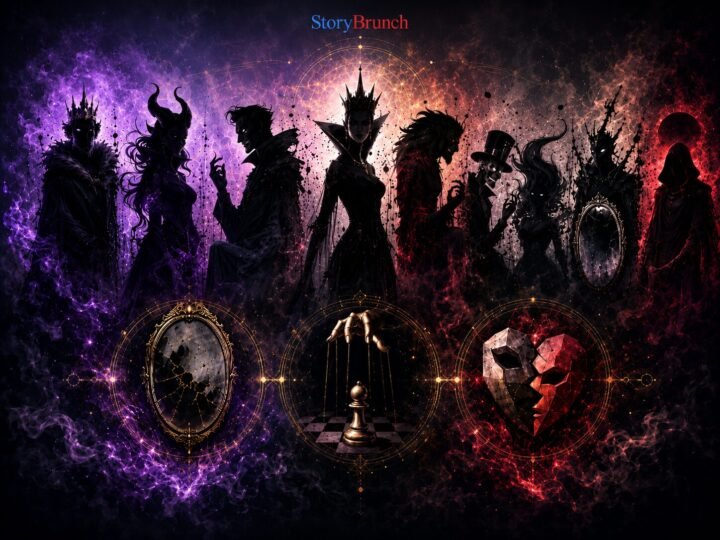
That is the oldest open secret in politics. The figure on the throne wears the crown, gives the speeches, and takes the blame — but the person who actually shapes what happens is very often standing just out of frame. History is full of them: the advisor the king can’t decide without, the friar who ran a cardinal who ran a country, the secret-police chief everyone feared more than the president he served. We remember the rulers. The rulers were frequently the ones being handled.
Definition
A kingmaker is a person who holds decisive political power without holding the top office themselves — shaping who rules, and what they decide, from a position beside the throne rather than on it.
The short version
- Real power sits wherever information, access, and force are controlled — not necessarily on the throne.
- Kingmakers come in six recurring types: the grey eminence, the gatekeeper, the spymaster, the favourite, the praetorian, and the fixer.
- They prefer invisibility because it brings control without accountability — the ruler takes the blame; the kingmaker keeps the grip.
- That same invisibility makes them expendable: without the crown’s legitimacy, they are the perfect scapegoat, and history is littered with their executions.
- The role never disappeared. Today’s kingmakers are chiefs of staff, advisors, spymasters, mega-donors, and platform owners — same logic, new costumes.
Part I
Why Do Kingmakers Exist?
Because no ruler can see everything, know everything, or do everything — and the gap between what the throne is supposed to control and what one person can actually manage is exactly where the kingmaker lives.
Every ruler has to delegate, and delegation quietly hands away three things. The first is information: someone has to decide what news reaches the ruler and how it’s framed. The second is access: someone controls who gets into the room and who is kept waiting outside it. The third is execution: someone actually carries out the orders, and can slow-walk, sharpen, or quietly bury them. Monopolise any one of these, and you become indispensable. And indispensable, in the language of power, is just another word for dangerous.
This is the same insight that runs through this whole series. The Longest Con showed that power rests on belief, not force; the kingmaker is simply the person who gets to shape that belief from up close — deciding what the ruler thinks is true, and therefore what the ruler does.
Part II
What Are the Six Types of Kingmaker?
Across wildly different eras and cultures, the same half-dozen figures keep reappearing. They differ in what they control — but each has found a different chokepoint on the road to the throne.
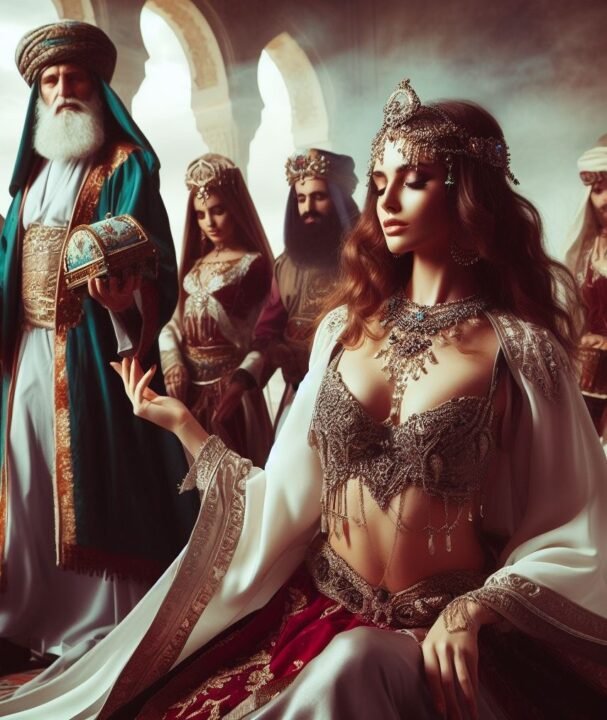
The most famous is the grey eminence — a term we owe to a real man. In 17th-century France, Cardinal Richelieu effectively ran the country in the name of a weak king; and Richelieu himself relied on a shadowy Capuchin friar named François Leclerc du Tremblay, known as Père Joseph, who ran his spy networks and diplomacy from behind the scenes. Richelieu wore red robes and was called the “red eminence”; his friar, in grey, became the éminence grise — the grey eminence — and gave every future power-behind-the-throne its name.
The most brutal is the praetorian, the one who commands the muscle. It is a short step from guarding the throne to controlling who sits on it. Rome learned this repeatedly: Sejanus, the ambitious commander of the Praetorian Guard under the emperor Tiberius, became so powerful he effectively ran the empire — until Tiberius had him executed in a single day. The Guard that auctioned the empire in 193 was the same institution, following the same logic to its cynical conclusion. Whoever holds the swords can always, in the end, make the final argument.
Part III
Why Is Real Power So Often Invisible?
Because visibility is a liability. The person out front absorbs the blame, the assassination attempts, and the accountability — while the person in the shadows keeps the control and the deniability. Plot real influence against public fame, and the two barely overlap.
This is why the shrewdest operators actively avoid the crown. To sit on the throne is to become the target — the one history judges, the one the mob comes for, the one who must answer for every failure. To stand beside it is to enjoy the power without the exposure: you shape the decision, and someone else signs it. The kingmaker’s genius is understanding that being seen to have power and actually having it are two different games, and that the second is played best in the dark.
Part IV
The Six Kingmakers, Side by Side
Each archetype wins power a different way — and, tellingly, tends to lose it a different way too.
Source of power
Famous examples
How they usually fall
The Grey Eminence
The ruler’s trust and private ear
Père Joseph; Thomas Cromwell
Discarded when the ruler tires — or blamed for the ruler’s mistakes
The Gatekeeper
Control of access and information
Court chamberlains; chiefs of staff
Bypassed, or purged in a reshuffle
The Spymaster
Secrets, surveillance and fear
Francis Walsingham; Lavrentiy Beria
The files turn on them; feared too much to keep alive
The Favourite
Personal intimacy and affection
Rasputin; the Duke of Buckingham
The affection fades, or the court revolts
The Praetorian
Command of armed force
Sejanus; the Praetorian Guard
Turn on one ruler too many, and are turned on in kind
The Fixer
Money, patronage and networks
Court financiers; party bosses
Cut loose the moment the debts come due
Part V
Why Are Kingmakers So Often Destroyed?
Look down that last column and a pattern jumps out: almost none of them die peacefully. Thomas Cromwell, who engineered Henry VIII’s break with Rome and remade the English state, was beheaded on the king’s order in 1540. Sejanus was executed the moment Tiberius turned. Rasputin was poisoned, shot, and drowned by desperate nobles. Beria, Stalin’s terrifying secret-police chief, was arrested and shot within months of his master’s death.
The reason is built into the role. Power without the crown is power without legitimacy — and without protection. A king can be a tyrant and still be the king; a kingmaker who oversteps is just an overreaching servant, and servants can be dismissed. Worse, the kingmaker is the ideal scapegoat: when things go wrong, the ruler stays clean by sacrificing the advisor who “led them astray.” And a kingmaker always knows too much — which makes them, eventually, more dangerous alive than dead. The closer you sit to power without holding it, the more you become the thing power needs to shed when the weather turns.
The crown is a target and a shield at once. The kingmaker gets neither — only the grip, for as long as the grip is allowed.
Part VI
Who Are the Kingmakers Today?
The costumes changed; the logic didn’t. The modern grey eminence is the chief of staff or the national security advisor who shapes what a leader sees and decides. The modern spymaster runs intelligence agencies and data operations. The modern fixer is the mega-donor, the party boss, the financier whose backing a candidate cannot win without. And a genuinely new species has emerged — the platform owner, who controls not one ruler’s information but the information of entire populations.
Democracies dilute the role deliberately: elections, free press, and independent courts exist precisely to make power visible and accountable, which is the kingmaker’s natural enemy. But the underlying pull never goes away. Wherever information, access, and money can be concentrated, someone will concentrate them — and stand, quietly, just out of frame.
Interactive
Which Kingmaker Are You?
Six questions. One honest answer about how you’d really reach for power.
Question 1 of 6
Your archetype
The Last Word
Here is the thread that ties this whole series together. The Longest Con showed power being built out of belief over centuries; How Empires Die watched that belief corrode; The Anatomy of a Coup showed it seized in a single night. The kingmaker is the human face of all of it — the person who understood, earlier and more coldly than everyone else, that power is not a chair you sit in. It’s a set of strings, and the crown is often just the most visible puppet on them.
Which is the real reason we should pay attention to the people beside the throne rather than only the one on it. The next time you watch power change hands, don’t only ask who won. Ask who was standing just behind them, out of the light — and whether the crown was ever really the point.
Questions & Answers
A kingmaker is a person who holds decisive political power without holding the top office themselves. They shape who rules and what those rulers decide from a position beside the throne — through control of information, access, force, money, or personal influence — rather than by wearing the crown. The term originally described nobles who could install monarchs, but now covers any power-behind-the-throne figure.
An éminence grise, or “grey eminence,” is a powerful advisor who operates secretly or unofficially, exercising influence through the person they serve. The phrase comes from Père Joseph, the grey-robed friar who was the confidant and spymaster of Cardinal Richelieu (the “red eminence”) in 17th-century France. It now describes any behind-the-scenes power broker.
Because visibility is a liability. Sitting on the throne means absorbing the blame, the accountability, and the danger, while standing beside it offers control with deniability — you shape the decision and someone else signs it. Many kingmakers judged, correctly, that real influence is safer and more durable in the shadows than the exposure of the crown itself.
Notable examples include Père Joseph and Cardinal Richelieu in France; Thomas Cromwell under Henry VIII; Sejanus and the Praetorian Guard in ancient Rome; Grigori Rasputin in the late Russian Empire; Francis Walsingham, Elizabeth I’s spymaster; and Lavrentiy Beria under Stalin. Each wielded enormous power without ever being the head of state.
Yes — the role simply wears modern costumes. Today’s kingmakers include powerful chiefs of staff and advisors, intelligence chiefs, major political donors and party bosses, and the owners of platforms that control mass information. Democratic institutions like elections, a free press, and independent courts exist partly to make such hidden power more visible and accountable, but the underlying dynamic persists wherever information, access, and money concentrate.